Course for Military and Police Forces

Program Overview The Tactical Combat Casualty Care (TCCC) course was developed in the 1990s by the Committee on Tactical Combat Casualty Care (CoTCCC), a group of medical-military experts tasked with reducing preventable deaths on the battlefield. Historically, field medical procedures were adapted from civilian medicine, failing to account for high-stress operational variables such as enemy fire, delayed evacuation, and limited resources. TCCC provides specific, evidence-based guidelines for trauma management in complex tactical environments.
The Core Motivations of TCCC:
- Reduce Preventable Deaths: Rapid intervention in massive hemorrhage, airway obstruction, and tension pneumothorax.
- Tactical Adaptation: Integrating medical care with operational security and tactical priorities.
- Standardization: Ensuring consistent, high-speed protocols among medics, doctors, and field operators.
- Decision-Making: Providing structured tools for prioritized care based on the specific operational phase.
Target Audience: While primarily designed for Tier 1 operators, conventional military personnel, and combat medics, TCCC has become the gold standard for Law Enforcement (LEO), private security contractors (PSCs), and professionals operating in hostile environments or conflict zones.
Mandatory Prerequisites
To maintain safety standards and international interoperability, candidates must meet the following:
- Language Proficiency: Fluent communication (written and oral) in English.
- Licensing: Possession of a valid Personal Defense Firearms License.
- Vetting: Background checks are mandatory, except for sworn Law Enforcement, Corrections, Licensed Private Security, or Military personnel.
Required Equipment & Technical Gear
- Authorized Weapon Systems
- Type: Reliable, centerfire semi-automatic pistols only.
- Frame Size: Full-size or Compact configurations.
- Permitted Calibers: .380 ACP, 9mm, .357 SIG, .40 S&W, or .45 ACP.
- Prohibitions: Revolvers, .22 rimfire, and “Micro-pistols” (e.g., G43, Shield) are strictly prohibited.
- Carry Systems & Duty Gear
- Holster: Rigid Outside-the-Waistband (OWB) only, strong-side mounted. (No IWB, collapsible, or Serpa-style holsters).
- Standards: Full trigger guard coverage and one-handed operation capability.
- Accessories: At least one belt-mounted magazine pouch.
- PPE & Apparel
- Operational Attire: Tactical trousers, 1.5″ (3.8 cm) rigid belt, technical weather gear. (No jeans).
- Protection: Certified ballistic eyewear and active electronic hearing protection.
- Logistics: Individual hydration system (Camelbak or similar). Body armor is optional.
Ammunition Specifications
- Estimated Round Count: 30 rounds.
- Steel Target Standards: Lead-core ammunition is mandatory for steel engagement.
- Prohibitions: Brown Tip, Armor Piercing (AP), surrogate rounds, and reloaded ammunition are strictly prohibited.
- Procurement: Available for purchase exclusively through OS ACADEMY.
TCCC Core Syllabus
- General Principles of TCCC
- Objectives, history, and preventable mortality in combat.
- Integration of medical care with tactical operations.
- The Three Operational Phases
- Care Under Fire (CUF): Immediate hemorrhage control and casualty movement while under
- fective fire.
- Tactical Field Care (TFC): Primary (MARCH) and secondary assessment in a secure perimeter.
- Tactical Evacuation Care (TACEVAC): Continuous monitoring and care during transport to higher-level facilities.
- Specialized Medical Interventions
- Hemorrhage Control: Advanced tourniquet application and hemostatic dressings (Celox/QuikClot).
- Airway & Respiratory Care: Needle decompression for tension pneumothorax and airway adjuncts.
- Blast & Gunshot Trauma: Management of penetrating and blunt trauma.
- Shock & Circulation: Recognition of shock and fluid resuscitation protocols.
- Rapid Assessment & Decision Making
- Prioritization of care under stress and environmental constraints.
- Standardized protocols for rapid interventions.
- Logistics & Scenario Training
- IFAK (Individual First Aid Kit) optimization.
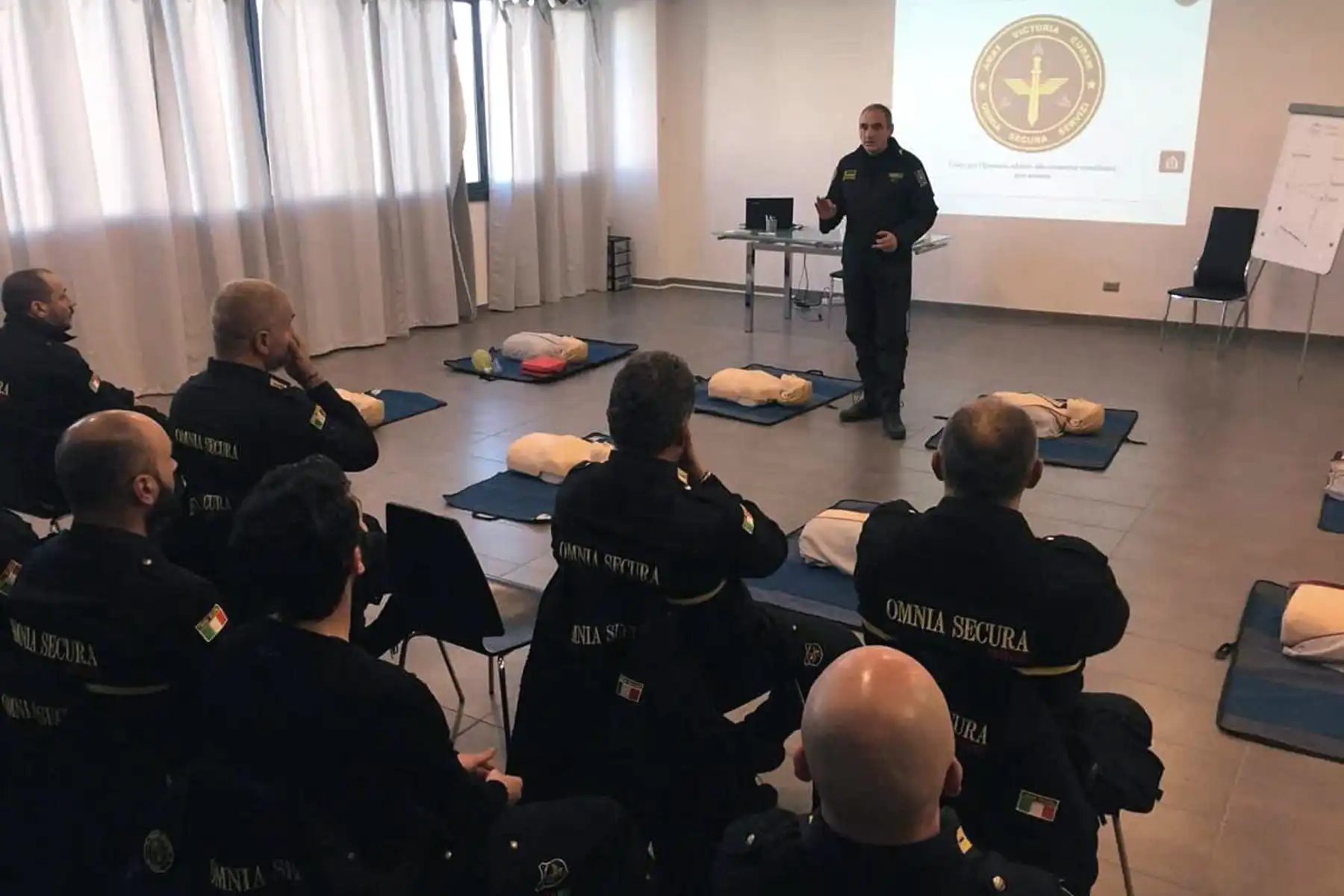
- High-stress simulations using mannequins and realistic tactical scenarios.
- Mass Casualty (MASCAS) management.
Course Details
- Student Limit: 12 participants
- Price: € 350.00
TCC GUIDE LINES